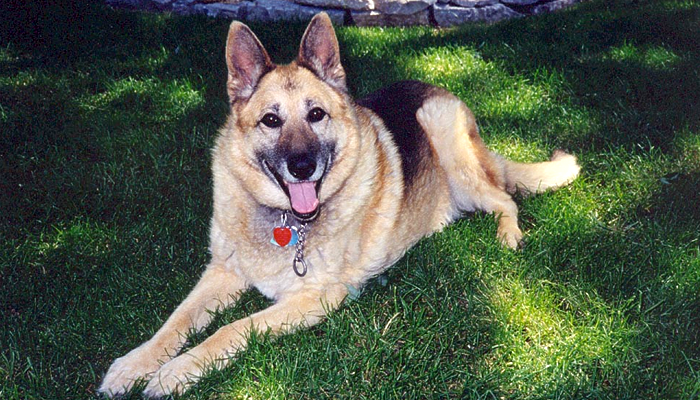
 The list of ingredients for most vaccines is proprietary information – this means vaccine companies are not required to disclose their ingredients to the consumer. Therefore, even if the consumer, or the consumer’s pet, has a reaction to a vaccine, the vaccine...
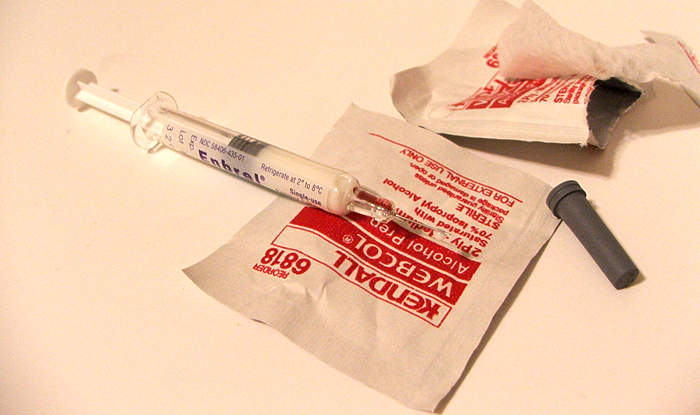 Tetanus comes from bacterial infection caused by a bacterium called Clostridium tetani. C tetani lives in the soil. This bacterium produces a toxin that causes the typical signs of tetanus when the environment is right. C tetani enters the body through a break in the...
 It is generally accepted in most states that young puppies and kittens need to be vaccinated by four months of age against the rabies virus. One year later, these animals can receive a booster good for three years. In the eyes of the law, animals who have been...
 In the prepartion of killed vaccines, the manufacturer “kills” the virus, usually by heat, so injection into a patient does not cause disease. This is especially important in rabies prevention as the last thing we want to do is give rabies to patients. The...
